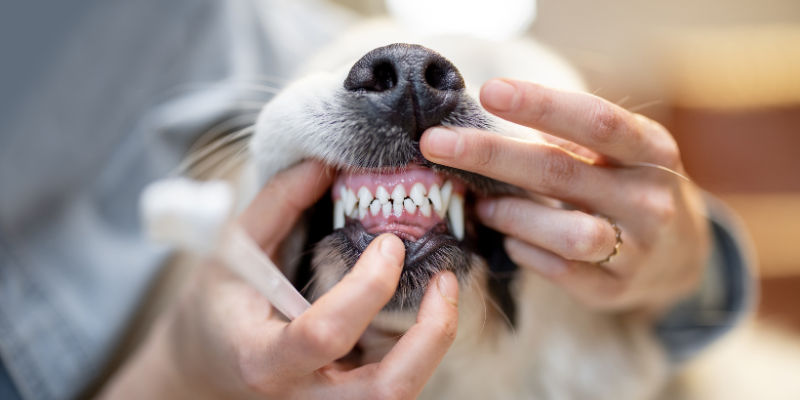
If your dog develops an anxiety about veterinary visits or other health or grooming procedures, it can unfortunately become stressful and difficult to provide them with the care they require to stay healthy and comfortable.
Our team would like to offer a helping hand for these handling-related anxieties in dogs, with information about why these issues may develop, how to recognise them in your pet, what not to do, and how we can help!
What symptoms might a dog with a handling-related anxiety demonstrate?
When exposed to their particular trigger(s), anxious dogs will demonstrate symptoms of stress that may include:
- Trembling
- Avoiding direct eye contact
- Excessive drooling
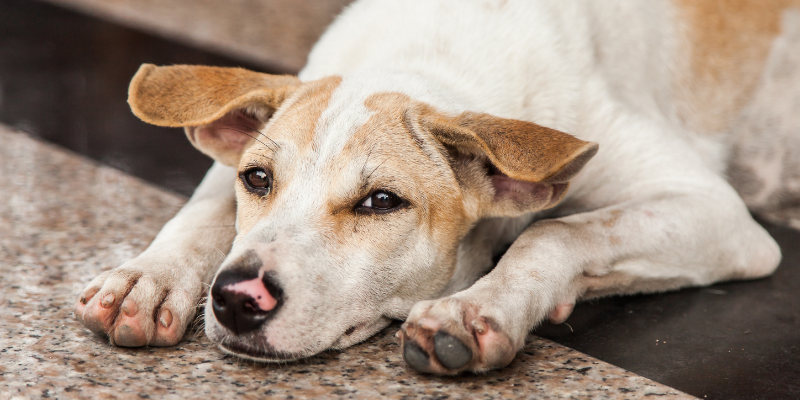
- Pinned back ears and a “worried” facial expression
- Panting
- Yawning or lip licking
- A tucked tail
- Urinating or defecating in fear
- A “freeze, flight or fight reflex” (i.e. becoming very still and tense, or trying to escape the perceived threat, or trying to drive the threat away with aggressive behaviours such as growling or snapping)
Many anxious pets will also learn to recognise the sequence of events that commonly precede their trigger and will start to show signs of stress at this time. For instance, a dog with an anxiety about having their ears handled may cower and run away as soon as you go near the cupboard where their ear medication is kept.
Why do these anxieties develop?
Some dogs have a genetic predisposition to being anxious, with the offspring of anxious parents being more likely to show this issue themselves. However, anxiety in dogs can also develop due to either actual negative or traumatic experiences, or simply a lack of positive experiences to help build their confidence during their “critical socialisation period” (from about 3 weeks to 16 weeks of age).
What can you do to help your pet?
For mildly anxious pets, gentle handling with positive reinforcement for calm behaviour can help them cope sufficiently with their anxiety-provoking situation. This means keeping any restraint gentle (e.g. a reassuring cuddle hold or towel-wrap), and trying pleasant distraction techniques, such as having someone pat or talk to them soothingly, or offering tasty treats or a Lick-Mat covered with cream cheese or peanut butter.
If your dog is scared to the point of having a panicked or aggressive response, don’t try to overpower them and force the situation (unless it’s an emergency and there’s no other option to keep your pet safe). You may achieve your goal in the short term, but your pup’s anxiety will likely escalate and become more severe in the future, to the point where you may become unable to safely do much with them at all.
What we can do to help your pet
If your pet’s anxiety is making it difficult or stressful for them to receive necessary handling or care procedures, consult our team about options for helping them to cope.
Treatment options include:
- The use of anti-anxiety medications (short-acting drugs for situational use and/or more general day-to-day anti-anxiety drugs, depending on your pet’s particular issue)
Behavioural modification techniques such as desensitisation and counterconditioning - Severely affected pets often benefit from being sedated for their required treatments, at least on a short-term basis before a long-term behavioural modification plan is put into effect.
For more help with anxiety in your pup, consult our anxiety-aware vets!